ASTM A193 B7 vs B8 Fasteners: Material and Application Guide
ASTM A193 B7 vs B8 fasteners differ primarily in material and how their mechanical and corrosion requirements are met. B7 is a chromium-molybdenum alloy steel grade. B8 is an austenitic stainless steel grade associated with Type 304 composition. Both fall under ASTM A193/A193M for bolting used in high-temperature, high-pressure or other special-purpose applications. The correct choice depends on the joint design, operating temperature, exposure conditions and the exact grade and class required by the project.
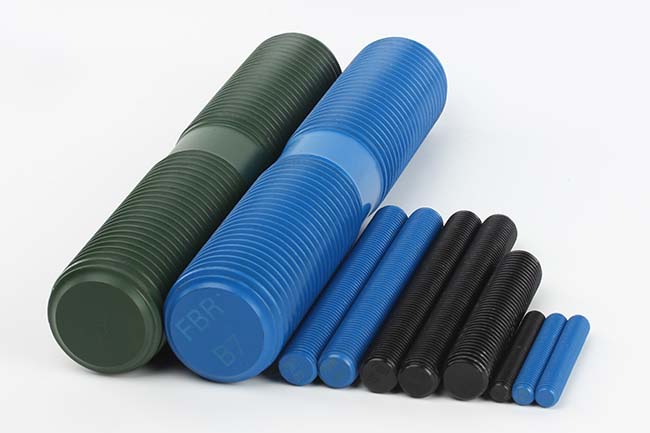
What Does ASTM A193/A193M Cover?
ASTM A193/A193M specifies alloy steel and stainless steel bolting materials and components for applications such as pressure vessels, valves, flanges and fittings. It covers multiple material grades; “A193” alone does not identify the material a buyer will receive. The purchase order must state the grade, and B8 orders must also identify the required class.
The standard addresses material and mechanical requirements. Buyers must still define the fastener form, dimensions, thread, length, mating nut and any project-specific inspection requirements. Browse studs and threaded rods or hex bolts according to the assembly drawing.
ASTM A193 B7 vs B8: Comparison at a Glance
| Selection factor | ASTM A193 Grade B7 | ASTM A193 Grade B8 |
|---|---|---|
| Material family | Chromium-molybdenum alloy steel | Austenitic stainless steel associated with Type 304 composition |
| Material condition | Heat-treated alloy steel; confirm the requirements of the specified edition | Class and processing condition must be stated and verified |
| Corrosion consideration | Requires a separate assessment of environmental exposure and any protective finish | Provides stainless steel corrosion resistance, but suitability depends on the actual environment |
| Mechanical consideration | Often considered where the design calls for alloy steel bolting properties | Class 1 and Class 2 have different processing and mechanical requirements |
| Common purchasing error | Ordering “B7” without the dimensions, coating or mating nut specification | Ordering “B8” without identifying the class |
| Substitution | Neither grade should replace the other without engineering review and approval. | |
This table is a selection guide, not a statement that every B7 or B8 size has the same allowable load or temperature limit. Confirm the applicable standard edition and the design requirements for the actual joint.
Mechanical Properties: Why the B8 Class Matters
B7 and B8 should not be compared using material names alone. The required tensile properties, hardness and processing condition must be checked against the specified ASTM A193/A193M edition and fastener size. For a pressure joint, the engineer must also assess the design load, operating temperature, preload and applicable equipment code.
B7 alloy steel
B7 is used where a project specifies chromium-molybdenum alloy steel bolting. Its required properties result from the specified material composition and heat-treatment requirements. A buyer should request the correct grade identification and agreed test documentation rather than accepting an unqualified description such as “high-strength stud.”
B8 stainless steel: Class 1 and Class 2
For B8, the class is an essential part of the order. Class 1 is associated with a solution-treated condition, while Class 2 involves strain hardening and different mechanical requirements. A quotation for “A193 B8” without a class leaves a material question unresolved. Class 2 should not be assumed merely because the supplier describes a fastener as strong or cold worked.
A change from B7 to B8 Class 1 or Class 2 can affect the joint calculation and installation procedure. Review the specified properties and assembly requirements before approving either replacement.
Corrosion Resistance and Surface Finish
B7 alloy steel and B8 stainless steel respond differently to moisture and chemical exposure. An exposed B7 fastener may require a specified coating or another corrosion-control approach. The coating must be assessed together with thread fit, assembly friction and the operating environment. A coating description by itself does not establish a service-life guarantee.
B8 offers the corrosion behavior of its specified austenitic stainless steel composition. It should not, however, be described as suitable for every chemical or chloride-containing environment. Exposure to chlorides, temperature, crevices and cleaning chemicals can change the material-selection decision. If the project calls for another stainless steel grade, the engineer should specify it directly rather than treating all stainless grades as equivalent.
Where stainless steel threads are assembled together, also consider the risk of galling. The installation plan may need an approved lubricant, controlled tightening method or a specified mating-nut arrangement. Any lubricant or coating can affect the relationship between applied torque and achieved preload.
Where Might a Buyer Consider B7 or B8?
Pressure equipment and flanged connections
Both grades can appear in specifications for valves, flanges and pressure equipment. The equipment design, service temperature, medium and applicable code determine which grade and class are acceptable. Do not select a grade simply because another flange uses the same bolt diameter.
Assemblies exposed to moisture or process chemicals
Environmental exposure may make a stainless steel option worth evaluating. Confirm the actual fluid, cleaning process and external atmosphere before choosing B8. If B7 is specified with a protective finish, include the complete finish requirement in the RFQ and verify its effect on assembly.
Replacement bolting
For maintenance procurement, copy the approved specification from the equipment drawing or parts list. If the existing bolt marking is unclear, request identification and engineering review. Matching the diameter and length does not establish that the material grade, B8 class, thread or nut is correct.
How to Specify Nuts and Dimensions
A stud-bolt order is incomplete without its mating components. ASTM A194/A194M covers nut grades intended for high-pressure or high-temperature bolting, but the nut grade must be selected for the particular bolt, joint and project specification. Do not assume that any nut with a matching thread is an approved pairing.
State the fastener form and dimensions separately: hex bolt or stud, nominal diameter, thread system and pitch, length, thread length where relevant, and the required nut and washer details. For a flange assembly, also confirm how length is measured and whether the order includes nuts. The material standard number alone does not communicate this information to the supplier.
ASTM A193 B7 vs B8: RFQ Checklist
- Standard: ASTM A193/A193M and the edition required by the project.
- Grade and class: B7, or B8 with its specified class.
- Fastener form: stud bolt, double-end stud, threaded rod or hex bolt.
- Dimensions: diameter, thread designation, pitch, length and drawing tolerances.
- Mating parts: approved nut grade, quantity of nuts per fastener and washer requirements.
- Service conditions: operating temperature, medium, external exposure and applicable equipment specification.
- Finish and assembly: any coating, lubricant and installation requirements.
- Verification: agreed material certificates, mechanical tests, dimensional checks, marking and traceability.
- Commercial details: quantity, packing requirements and delivery destination.
Define inspection and documentation expectations before ordering. IIIBEAR’s quality control overview explains the types of product information and checks that can be discussed for a specific order.
Frequently Asked Questions
Is ASTM A193 B8 the same as ordinary 304 stainless steel bolts?
No. B8 is a grade within a bolting specification. An order must address its required class, processing, mechanical properties and other ASTM A193/A193M requirements. A generic “304 bolt” description does not establish compliance.
Is B8 always a direct replacement for B7?
No. They belong to different material families and may differ in mechanical properties, corrosion behavior and installation requirements. Any replacement needs approval against the joint design and service conditions.
Does B8 Class 2 mean a different stainless steel grade from B8 Class 1?
The class distinguishes requirements and processing condition within the B8 designation. It is not a substitute for stating the complete material specification on the order.
Does ASTM A193 specify the matching nut automatically?
Do not leave the nut unspecified. Identify the approved nut grade, thread, dimensions and any coating or inspection requirements in the drawing or purchase order.
Conclusion
For ASTM A193 B7 vs B8 fasteners, begin with the approved joint specification. Check the required material properties and service environment, then identify the B8 class if stainless steel is selected. Complete the order with dimensions, mating nuts, finish and inspection requirements.
Send your drawing, BOM and operating conditions to IIIBEAR. To discuss a specific B7 or B8 requirement, submit a fastener inquiry with the grade, class, size and required documentation.

