ASTM A193 B7M Fasteners: Properties and Applications
ASTM A193 B7M fasteners are alloy steel bolting components used when a project calls for controlled hardness in a pressure joint. They are commonly specified as studs or threaded rods for flanges, valves, and other equipment, particularly where the service assessment identifies a risk of sulfide stress cracking. Selecting B7M also requires engineers and buyers to define the operating environment, mating nuts, threads, finish, and inspection requirements.
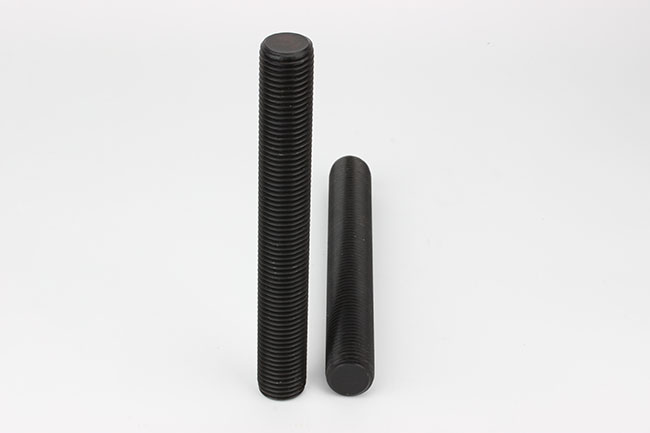
What Is ASTM A193 Grade B7M?
ASTM A193/A193M covers alloy steel and stainless steel bolting for pressure vessels, valves, flanges, fittings, and other specified applications. Grade B7M is a chromium-molybdenum alloy steel grade supplied in a heat-treated, controlled-hardness condition. Its material and mechanical requirements differ from those of Grade B7, so the two grades should not be treated as interchangeable markings.
The grade identifies material requirements; it does not, by itself, define a stud’s length, thread series, thread fit, or finish. Buyers can review the A193 B7 and B7M alloy steel studs and rods and the wider studs and threaded rods category when preparing a dimensional specification.
ASTM A193 B7M Fasteners: Properties That Matter
Controlled Hardness
Hardness control is central to the B7M designation. It is relevant when a project limits material hardness to address cracking risks associated with a defined service environment. The acceptance values, test method, sampling, and reporting should follow the ASTM edition and any additional project specification named in the order. A hardness figure copied from a general product chart should not replace those documents.
Mechanical Strength and Joint Design
B7M and B7 have different mechanical requirements. An engineer should check the specified grade against the joint’s required bolt load, operating temperature, flange design, and assembly procedure. Changing an existing B7 joint to B7M without reviewing these factors can alter the design basis. A change in coating or lubricant may also affect the relationship between applied torque and achieved preload.
Corrosion Behavior
B7M is alloy steel, not stainless steel. Its controlled hardness addresses a material condition; it does not make the fastener resistant to every corrosive fluid or atmosphere. External exposure, process contact, coating performance, and maintenance conditions must be evaluated separately. A black oxide finish, for example, should not be assumed to provide sufficient protection for severe corrosion exposure.
Where Are B7M Fasteners Used?
Flange and Pressure Equipment Joints
Stud bolts are a common form of B7M bolting in piping flanges, pressure vessels, heat exchangers, and related equipment when the engineering specification calls for the grade. The required diameter and length depend on the flange, gasket, nut arrangement, and specified thread engagement. The equipment drawing or applicable joint specification should control those dimensions.
Valves and Process Equipment
Valve bonnets and other bolted closures may use B7M where their material specification requires controlled-hardness alloy steel. Confirm the process exposure, temperature, and pressure conditions before selecting the grade. Equipment in the same facility can have different bolting requirements.
Defined H2S Service
B7M is frequently considered for certain hydrogen sulfide environments, but the grade name alone does not establish that a finished fastener or complete joint is suitable for sour service. For oil and gas production or natural gas treatment, a project may also invoke ISO 15156-2 and operator requirements. The engineer must assess the environment and confirm the required material condition, testing, and documentation. ISO 15156-2 addresses specified cracking mechanisms; it does not establish resistance to general or localized corrosion.
B7M Versus B7: A Practical Buying Distinction
Both grades belong to the ASTM A193 alloy steel bolting family, but matching dimensions do not make them interchangeable. B7M has different heat-treatment, hardness, and mechanical acceptance requirements. Specify the grade shown on the approved engineering documents, and obtain engineering approval before proposing a substitution.
Matching Nuts, Threads, and Finishes
ASTM A194 Grade 2HM is a common nut choice for B7M stud assemblies where a controlled-hardness bolting system is specified. It is a starting point for an RFQ, not an automatic approval for every joint. State the exact nut grade, dimensions, thread series, finish, and applicable standard edition. The industrial nuts category provides a reference for the available product types.
Thread form and finish also need explicit instructions. A request for “B7M stud bolts” leaves open the thread series and class, overall length, end preparation, coating, and lubricant condition. If a coating is required, specify the approved process and confirm that the finished threads fit the selected nuts. Review any project restrictions on processing and hydrogen-related risks before approving the finish.
What to Include in a B7M Fastener RFQ
- Material callout: ASTM A193/A193M Grade B7M and the edition required by the project.
- Component details: stud, fully threaded rod, double-end stud, or bolt; include a drawing when available.
- Dimensions: nominal diameter, overall length, threaded lengths, and special end details.
- Threads: thread standard, series, pitch, class or tolerance, and mating nut specification.
- Service conditions: operating temperature, process exposure, and applicable H2S requirements.
- Finish and assembly: coating, lubricant condition, and installation requirements.
- Verification: hardness and mechanical test reporting, traceability, marking, inspection, and certificate format.
- Commercial details: quantity, packaging instructions, and delivery destination.
Agree on documentation and inspection scope before production, particularly when the order requires heat or lot traceability and reported hardness results. The quality control overview outlines the information to provide when discussing inspection requirements; the purchase order should identify the checks required for the specific job.
Frequently Asked Questions
Is B7M automatically suitable for sour service?
No. B7M’s controlled-hardness condition can be relevant to an H2S material selection, but acceptance depends on the defined environment and governing project requirements. Review the complete stud, nut, finish, and documentation package.
Can B7M replace B7 in an existing flange joint?
Only after an engineering review. The grades have different material requirements, and the joint design may depend on the properties of the originally specified bolting.
Does ASTM A193 specify the stud’s dimensions?
ASTM A193 sets bolting material requirements. The buyer must also specify the component geometry and applicable thread and dimensional requirements through the drawing, purchase order, or other governing documents.
For a B7M quotation, send the grade, drawing or dimensions, service requirements, mating nut callout, finish, quantity, and required inspection documents through the fastener inquiry page. A complete callout helps the team review the intended assembly against the requested specification.

