DIN EN 14399 Preloaded High-Strength Structural Bolts: HV System Guide
DIN EN 14399 Preloaded High-Strength Structural Bolts: HV System Guide
DIN EN 14399 preloaded high-strength structural bolts are designed for structural steel connections where a controlled preload is required to create a reliable bolted joint. The EN 14399 series addresses high-strength structural bolting assemblies used in metallic structures, while DIN EN 14399-4 specifically defines requirements for the HV system using large-series hexagon bolts and nuts. For engineers, steel fabricators, contractors, and fastener distributors, understanding the complete assembly is just as important as selecting the correct bolt diameter or strength class.
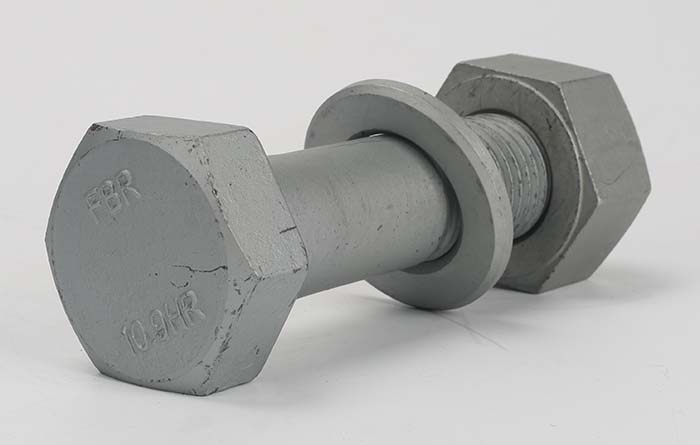
Unlike ordinary industrial hex bolts that may be purchased and specified mainly as individual components, high strength structural bolting assemblies for preloading are treated as coordinated bolt, nut, and washer systems. Their dimensions, mechanical properties, surface condition, and suitability for preloading must work together. This makes correct specification and sourcing particularly important for bridges, steel buildings, industrial structures, equipment frameworks, and other demanding steel connections.
What Are DIN EN 14399 Preloaded High-Strength Structural Bolts?
DIN EN 14399 is part of the European standard system covering high-strength structural bolting assemblies suitable for preloading. DIN EN 14399-1 establishes general requirements for the assemblies, while DIN EN 14399-2 addresses technical requirements and testing related to suitability for preloading. Different additional parts define specific bolting systems, washers, and related components.
For buyers looking specifically for EN 14399-4 HV bolts, Part 4 is the key reference. DIN EN 14399-4:2015 covers system HV hexagon bolt and nut assemblies intended for preloaded structural joints. The defined thread size range extends from M12 through M36, and the system uses bolt and nut property class combinations identified as 10.9/10.
This standardized approach helps engineers and procurement teams define more than simply a high-strength bolt. A purchase specification can identify the standard, system, diameter, length, property class, washer arrangement, surface condition, and other project requirements as one coordinated package.
Understanding the HV System Under DIN EN 14399-4
The HV designation identifies a particular structural bolting system within the EN 14399 family. It should not be treated as a generic description for every high-tensile structural fastener. EN 14399 also includes other systems, such as the HR system, which is covered separately. Therefore, procurement documents should clearly identify whether an HV assembly is required instead of requesting only a “10.9 structural bolt.”
DIN EN 14399-4 specifies large-series hexagon bolt and nut assemblies. These larger bearing and wrenching dimensions are characteristic of structural bolting applications and are intended to work as part of the standardized assembly. When preparing an inquiry, buyers should therefore avoid replacing an HV bolt, nut, or washer with an apparently similar general-purpose component without checking the applicable engineering requirements.
For international projects, terminology can vary between drawings, bills of materials, and historical specifications. Some documents may refer to older DIN structural fastener designations, while newer European specifications may reference the EN 14399 series. The safest purchasing approach is to confirm the exact standard designation and system shown on the latest approved engineering documents.
Typical Size Range for EN 14399-4 HV Bolts
The nominal thread range covered by DIN EN 14399-4 extends from M12 to M36. Common nominal diameters within this range include M12, M16, M20, M22, M24, M27, M30, and M36. The appropriate diameter and bolt length depend on connection geometry, plate thickness, washer arrangement, thread engagement, and the structural design.
M12 to M36 HV bolts are therefore available for a broad range of structural connections, but diameter alone does not define the correct product. Buyers should specify the complete thread designation and required length and should verify whether project drawings require particular washers or surface treatments.
Important Dimensions to Check During Procurement
In addition to nominal thread diameter and overall length, purchasing and inspection teams may need to review head dimensions, width across flats, thread length, pitch, and the dimensional requirements of the matching nut and washers. These characteristics should be checked against the applicable standard rather than estimated from ordinary ISO hex bolt dimensions.
This is especially important when replacing an existing structural bolting system or purchasing components from multiple sources. A bolt that appears visually similar may not belong to the same preloaded assembly system.
Why the Complete Bolting Assembly Matters
A preloaded structural joint depends on the interaction between several components. The bolt provides tensile capacity, the nut develops the threaded connection, and the washer supports the bearing surface and participates in the tightening system. EN 14399-5 covers plain washers within the standard family, while EN 14399-6 addresses plain chamfered washers used with high-strength structural bolting assemblies.
Because these components work together, mixing parts from different specifications without engineering approval can create uncertainty in tightening behavior and assembly performance. Procurement teams should therefore order preloaded structural bolt assemblies with clear identification of the required standard and system.
Surface condition is also a relevant purchasing consideration. Coatings, lubrication, and other surface treatments can influence friction during tightening. For this reason, buyers should state the required finish in their request and confirm that the supplied bolt, nut, and washer combination is appropriate for the specified preloading procedure. A surface treatment should not be selected only for appearance or corrosion protection without considering the requirements of the complete bolting system.
10.9 Structural Bolts and Matching Nuts
Within the DIN EN 14399-4 HV system, the specified combination is commonly identified as bolt property class 10.9 with nut property class 10. This is one reason the phrase 10.9 structural bolts frequently appears in sourcing requests for European steel construction projects.
However, property class alone is not sufficient to identify an EN 14399 HV assembly. A general-purpose metric bolt marked 10.9 should not automatically be assumed to meet DIN EN 14399-4. The structural standard includes requirements associated with the complete assembly and suitability for preloading. Buyers should therefore include “DIN EN 14399-4, system HV” in the purchasing description when that is the required specification.
Applications of High Strength Structural Bolting Assemblies
High strength structural bolting assemblies are used where structural steel members must be joined reliably under demanding service conditions. Typical project categories include steel building frames, bridges, industrial steelwork, energy infrastructure, heavy equipment structures, platforms, towers, and other engineered metal structures.
The actual connection design determines whether a preloaded assembly is required. Engineers consider the joint configuration, loading condition, slip requirements, structural design standard, installation method, and inspection requirements before defining the fastening system. Fastener suppliers should follow the approved specification rather than substitute one structural bolt standard for another based only on diameter and strength.
How to Specify DIN EN 14399 Structural Bolts for RFQ
A clear request for quotation reduces technical uncertainty and helps suppliers prepare a more accurate offer. A practical RFQ for DIN EN 14399 preloaded high-strength structural bolts should identify the applicable part of the standard, the HV system, nominal diameter, bolt length, quantity, required nut and washer configuration, surface finish, packaging requirements, and any documentation requested by the project.
For example, instead of writing only “M24 10.9 high tensile bolts,” a purchasing team can specify that the requirement is for an EN 14399-4 system HV structural bolting assembly and provide the required length and accompanying washer specification. This immediately distinguishes the product from a standard industrial metric bolt.
When drawings contain an older or unfamiliar standard reference, buyers should also clarify whether the project requires exact compliance with that specification or an approved equivalent. Substitution decisions should remain with the responsible engineering authority.
Choosing a Supplier for EN 14399-4 HV Bolts
Structural fastener procurement requires careful communication between engineering, purchasing, and the fastener supplier. Buyers should look for suppliers capable of confirming the requested standard, dimensional range, property class, assembly configuration, finish, quantity, and documentation before an order is finalized.
For international sourcing projects, IIIBEAR can be contacted with drawings, specifications, or bills of materials so the required structural fasteners and related components can be reviewed as a complete sourcing package. Providing detailed technical information at the RFQ stage helps avoid confusion between general-purpose high-tensile fasteners and specialized HV structural bolting assemblies.
For non-standard lengths, project-specific finishes, special packaging, or additional fastener types used in the same steel structure, these requirements should also be stated in advance. Custom requirements should always be evaluated against the governing structural specification rather than assumed to be interchangeable with standard EN 14399 components.
Key Purchasing Considerations
When sourcing DIN EN 14399 preloaded high-strength structural bolts, start with the exact standard and system. Next, confirm the diameter and length, bolt and nut property classes, compatible washers, surface condition, required quantities, and documentation. If the fasteners will be installed using a specified tightening procedure, the supplied assembly must be suitable for that procedure and for the project specification.
It is also advisable to keep assemblies properly identified throughout purchasing, receiving, storage, and installation. Structural bolts, nuts, and washers that look similar can belong to different standards or systems. Maintaining clear product identification helps prevent accidental mixing during site installation.
Conclusion
DIN EN 14399 provides an important framework for high-strength structural bolting assemblies designed for preloading. Within this family, DIN EN 14399-4 defines the HV system of large-series hexagon bolt and nut assemblies in sizes from M12 to M36 with the specified 10.9/10 property class combination.
For B2B buyers, the most important sourcing principle is to purchase the fasteners as an engineered structural bolting system rather than selecting a bolt solely by diameter or strength grade. Clearly specifying the standard, HV system, size, length, matching nut and washers, finish, and project requirements makes quotations more accurate and helps ensure that the supplied fasteners match the intended structural application.
Related products: Bolts

