Inconel 625 fasteners are designed for industrial applications where high corrosion resistance, mechanical strength, and temperature performance are required. Manufactured from nickel-based superalloy UNS N06625, these fasteners are widely used in aerospace, chemical processing, marine engineering, power generation, and other demanding environments.
Unlike conventional stainless steel fasteners, Inconel 625 fasteners maintain excellent performance under many combinations of heat, pressure, and corrosive media. For engineers and procurement specialists, selecting Inconel 625 requires careful consideration of material specifications, operating conditions, mechanical requirements, and applicable industry standards.
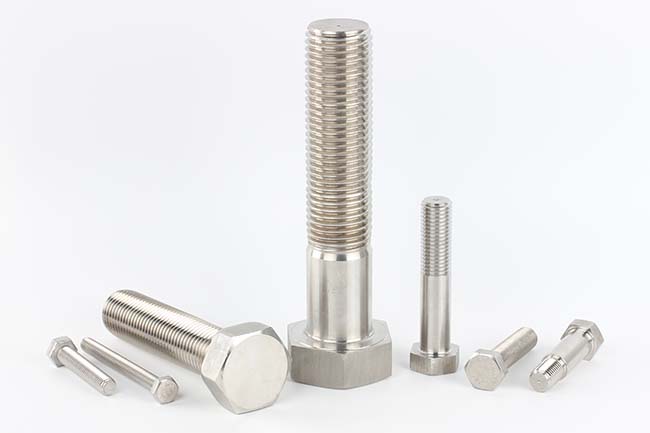
What Are Inconel 625 Fasteners?
Inconel 625 fasteners are bolts, screws, nuts, studs, threaded rods, washers, and custom fastening components manufactured from nickel-chromium-molybdenum alloy 625.
The alloy is strengthened mainly through solid solution strengthening rather than precipitation hardening. Its composition includes nickel, chromium, molybdenum, niobium, and other alloying elements that provide excellent resistance to corrosion and oxidation.
Common Inconel 625 fastener products include:
- Hex bolts
- Socket head screws
- Stud bolts
- Threaded rods
- Hex nuts
- Washers
- Custom machined fasteners
For projects requiring specialized materials, buyers can review particular materials fasteners for additional alloy options.
Why Choose Inconel 625 for Fasteners?
Fasteners used in extreme environments must withstand more than mechanical loading. They may experience elevated temperatures, corrosive chemicals, seawater exposure, thermal cycling, and pressure variations.
Inconel 625 fasteners are selected because they provide:
- Excellent resistance to many corrosive environments
- Strong resistance to pitting and crevice corrosion
- Good oxidation resistance at elevated temperatures
- High fatigue and mechanical performance
- Reliable performance in marine and chemical environments
- Good weldability compared with many high-performance nickel alloys
These characteristics make Inconel 625 suitable for applications where stainless steel or lower-alloy fasteners may not provide sufficient service life.
Inconel 625 Fasteners vs Stainless Steel Fasteners
| Factor | 316 Stainless Steel Fasteners | Inconel 625 Fasteners |
|---|---|---|
| Material family | Austenitic stainless steel | Nickel-based superalloy |
| Main advantage | General corrosion resistance and cost efficiency | Extreme corrosion and temperature performance |
| Temperature capability | Suitable for many general industrial conditions | Designed for more demanding high-temperature environments |
| Chloride resistance | Good in many applications | Excellent in many severe chloride environments |
| Material cost | Lower | Higher |
| Typical applications | Industrial equipment, marine, construction | Aerospace, chemical, offshore, high-performance systems |
Inconel 625 should not replace stainless steel in every application. For moderate environments, stainless steel fasteners may provide a more economical solution. Nickel alloys are generally selected when environmental conditions justify the additional material performance.
Chemical Composition and Properties of Inconel 625
Inconel 625 is a nickel-based alloy containing chromium, molybdenum, niobium, and iron. The alloying elements contribute to its corrosion resistance and mechanical performance.
Important characteristics include:
- Nickel base for corrosion resistance
- Chromium for oxidation resistance
- Molybdenum for resistance to localized corrosion
- Niobium for strengthening effects
The final performance of an Inconel 625 fastener depends on the manufacturing condition, heat treatment, dimensions, thread design, and applicable specification.
Corrosion Resistance of Inconel 625 Fasteners
One of the primary reasons engineers specify Inconel 625 fasteners is their resistance to challenging corrosive environments.
The alloy is commonly considered for applications involving:
- Seawater exposure
- Chloride-containing environments
- Acidic process conditions
- Oxidizing and reducing environments
- High-temperature corrosive gases
However, corrosion resistance depends on actual operating conditions. Temperature, chemical concentration, stress level, exposure duration, and contact with other materials should always be evaluated before final material selection.
High Temperature Performance of Inconel 625 Fasteners
Many industrial fastening applications experience elevated temperatures where conventional stainless steel materials may lose mechanical performance.
Inconel 625 maintains useful strength and corrosion resistance at elevated temperatures, making it suitable for components exposed to heat, thermal cycling, and aggressive environments.
Typical high-temperature applications include:
- Gas turbine components
- Exhaust systems
- Heat exchangers
- Chemical processing equipment
- Power generation systems
Temperature limits should always be confirmed according to the specific design requirements and applicable material specifications.
Applications of Inconel 625 Fasteners
Aerospace Applications
Aerospace systems often require fasteners that maintain performance under high temperature, vibration, and corrosive conditions. Inconel 625 is used in selected aerospace components where nickel alloy performance is required.
Marine and Offshore Equipment
Marine environments expose fasteners to seawater and chloride conditions. Inconel 625 can provide enhanced resistance for offshore equipment, seawater systems, and specialized marine assemblies.
Chemical Processing Equipment
Chemical plants may involve aggressive fluids, elevated temperatures, and demanding operating cycles. Inconel 625 fasteners can be considered for equipment where corrosion resistance is critical.
Power Generation Systems
Power equipment may require fastening materials capable of maintaining mechanical performance under heat and pressure. Inconel 625 is used in certain high-performance applications requiring nickel alloy properties.
Oil and Gas Equipment
Oil and gas systems may expose fasteners to corrosive fluids, pressure, and temperature variations. Material selection should consider the complete service environment and applicable industry requirements.
Inconel 625 Fastener Standards
When sourcing Inconel 625 fasteners, buyers should clearly distinguish between alloy designation, material specification, and finished fastener requirements.
Common material references include:
- UNS N06625
- ASTM B446 for nickel-chromium-molybdenum alloy bars and rods
- ASTM B564 for nickel alloy forgings
The applicable standard depends on the product form and application. A finished bolt or stud specification may require additional requirements related to dimensions, mechanical properties, testing, and inspection.
DIN, ISO, ASTM, and ASME standards should not be considered automatically interchangeable. Buyers should specify the exact requirement based on engineering documentation.
Manufacturing Considerations for Inconel 625 Fasteners
Inconel 625 is a high-performance alloy with different machining characteristics compared with common stainless steels. Manufacturing requires appropriate process control to maintain dimensional accuracy and surface quality.
Important manufacturing considerations include:
- Material traceability
- Correct machining methods
- Thread accuracy
- Heat treatment requirements
- Surface condition
- Inspection documentation
For custom applications, engineering drawings should define:
- Fastener dimensions
- Thread specifications
- Tolerance requirements
- Head and drive design
- Material designation
- Testing requirements
Inconel 625 Fasteners vs Other Nickel Alloys
Different nickel alloys provide different performance advantages. Inconel 625 is known for its combination of corrosion resistance, strength, and manufacturability.
| Material | Main Characteristics |
|---|---|
| Inconel 625 | Excellent corrosion resistance and high-temperature performance |
| Hastelloy C276 | Strong resistance to many severe chemical environments |
| Inconel 718 | High strength through precipitation hardening |
| Titanium alloys | Low density and excellent corrosion resistance |
The best alloy depends on the actual environment, mechanical requirements, temperature, and project specifications.
Procurement Checklist for Inconel 625 Fasteners
Before requesting quotations, purchasing teams should define:
- Material designation: Inconel 625 / UNS N06625
- Fastener type and dimensions
- Applicable ASTM, ASME, DIN, ISO, or customer specification
- Thread size, pitch, and tolerance
- Required mechanical properties
- Operating temperature and corrosion environment
- Surface treatment requirements
- Inspection and testing requirements
- Material certificates and documentation
- Packaging requirements
Clear specifications help suppliers provide accurate quotations and reduce the risk of unsuitable substitutions.
Choosing Inconel 625 Fasteners for Industrial Projects
Inconel 625 fasteners provide a reliable solution for applications where corrosion resistance, temperature performance, and mechanical reliability are critical. They are especially valuable in aerospace, offshore, chemical processing, power generation, and other demanding industries.
Because nickel alloys represent a significant material investment, the selection process should focus on actual operating conditions rather than choosing the highest alloy grade without evaluation.
IIIBEAR supplies standard and custom fasteners in stainless steel, nickel alloys, titanium, and other special materials according to engineering drawings, standards, and industrial application requirements.
Related products: Special Material Fasteners, Bolts

