17-4 PH stainless steel fasteners are widely selected for industrial applications that require a combination of high strength, good corrosion resistance, and dimensional stability. Unlike conventional austenitic stainless steel fasteners such as 304 or 316, 17-4 PH is a precipitation hardening stainless steel that can achieve higher mechanical properties through heat treatment.
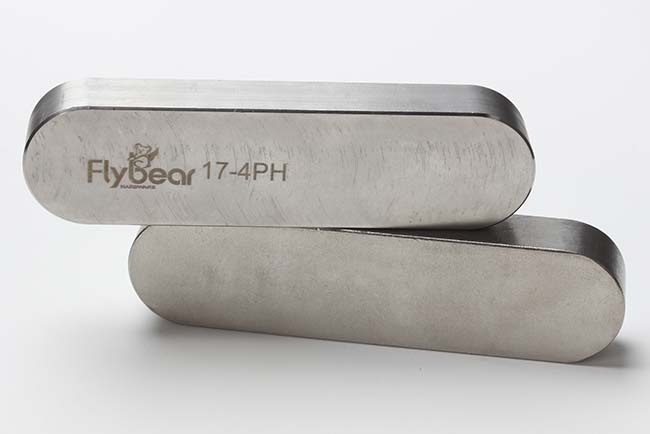
For engineers, OEM designers, and procurement teams, 17-4 PH stainless steel fasteners are often considered when standard stainless steel materials cannot provide sufficient load capacity. Typical applications include aerospace-related equipment, industrial machinery, power systems, pumps, valves, and precision mechanical assemblies.
However, selecting 17-4 PH fasteners requires more than choosing a high-strength stainless steel. Material condition, heat treatment, applicable standards, corrosion environment, thread requirements, and final application conditions should all be evaluated before sourcing.
What Is 17-4 PH Stainless Steel?
17-4 PH stainless steel is a precipitation hardening stainless steel alloy commonly identified as UNS S17400 or Grade 630. The name “17-4” refers approximately to its chromium and nickel content, while “PH” means precipitation hardening.
The alloy typically contains chromium and copper additions that allow it to develop high strength through controlled heat treatment. This gives 17-4 PH a unique balance of mechanical performance and corrosion resistance compared with many conventional stainless steel grades.
Unlike 304 and 316 stainless steels, which are generally strengthened mainly through cold working, 17-4 PH achieves its high strength through precipitation hardening processes.
Why Use 17-4 PH Stainless Steel Fasteners?
Fasteners are often critical load-bearing components in industrial assemblies. When equipment operates under vibration, pressure, temperature changes, or high mechanical loads, standard stainless steel fasteners may not always meet the required performance level.
17-4 PH stainless steel fasteners are selected because they can provide:
- High tensile and yield strength
- Good hardness after heat treatment
- Better mechanical performance than many common stainless steels
- Useful corrosion resistance in many industrial environments
- Good dimensional stability for precision components
- Compatibility with demanding mechanical assemblies
These characteristics make 17-4 PH suitable for applications where both strength and corrosion resistance are important.
17-4 PH Stainless Steel Fasteners vs 304 and 316
| Factor | 304 Stainless Steel | 316 Stainless Steel | 17-4 PH Stainless Steel |
|---|---|---|---|
| Material family | Austenitic stainless steel | Austenitic stainless steel | Precipitation hardening stainless steel |
| Main advantage | General corrosion resistance | Improved chloride corrosion resistance | High mechanical strength |
| Strength level | Moderate | Moderate | High after heat treatment |
| Heat treatment | Not precipitation hardened | Not precipitation hardened | Uses aging heat treatment |
| Typical applications | General industrial fastening | Marine and chloride environments | High-load mechanical assemblies |
| Corrosion resistance | Good | Higher than 304 in many chloride environments | Good, depending on condition and environment |
Although 17-4 PH provides higher strength than many common stainless steels, it should not automatically replace 316 in highly corrosive environments. Material selection should always consider whether the application requires maximum corrosion resistance, maximum strength, or a balance of both.
Mechanical Properties of 17-4 PH Stainless Steel Fasteners
The major reason engineers select 17-4 PH is its ability to achieve high mechanical properties through precipitation hardening.
Different heat treatment conditions can produce different combinations of strength, hardness, toughness, and corrosion performance. Common conditions include H900, H1025, H1150, and other aging treatments.
The final mechanical performance depends on the selected condition, product size, manufacturing process, and applicable specification. Therefore, procurement documents should clearly identify the required condition rather than specifying only “17-4 PH stainless steel.”
For critical applications, buyers should define:
- Required heat treatment condition
- Mechanical property requirements
- Applicable material specification
- Inspection and documentation requirements
17-4 PH Stainless Steel Fasteners Corrosion Resistance
17-4 PH provides good corrosion resistance in many industrial environments, especially compared with many high-strength alloy steels. This makes it attractive where carbon steel or low-alloy fasteners may require additional corrosion protection.
However, its corrosion resistance is not identical to 316 stainless steel. In environments with severe chloride exposure, seawater, or aggressive chemicals, engineers should evaluate whether 316, duplex stainless steel, super duplex stainless steel, titanium, or nickel alloys may be more suitable.
Factors affecting corrosion performance include:
- Heat treatment condition
- Surface condition
- Temperature
- Chloride concentration
- Exposure duration
- Stress conditions
- Contact with other metals
Common Applications of 17-4 PH Stainless Steel Fasteners
Aerospace and High-Performance Equipment
17-4 PH is commonly considered for aerospace-related and precision mechanical applications because of its high strength-to-weight capability and corrosion resistance.
Industrial Machinery
Heavy-duty machinery may require fasteners that maintain mechanical integrity under vibration, repeated loading, and demanding operating conditions. 17-4 PH fasteners can provide an advantage where higher strength is required.
Pumps and Valves
Pumps and valves often require materials that can withstand pressure, mechanical loads, and exposure to fluids. 17-4 PH may be selected for specific components where strength requirements are significant.
Power and Energy Equipment
Energy-related equipment may require high-performance fastening components for structural and mechanical assemblies. Material selection should be based on temperature, loading, and environmental conditions.
Precision Mechanical Assemblies
Because precipitation hardening stainless steel can provide good dimensional stability and strength, it is used for components requiring accurate fit and reliable performance.
17-4 PH Stainless Steel Fastener Standards
When purchasing 17-4 PH fasteners, buyers should distinguish between material standards, product standards, and customer specifications.
ASTM A564 covers hot-rolled and cold-finished age-hardening stainless steel bars and shapes, including 17-4 PH material. ASTM F899 includes stainless steel for surgical and related applications, while other standards may apply depending on the product type and industry.
For machined fasteners, the final requirement may combine:
- Material designation
- Heat treatment condition
- Dimensional standard
- Thread specification
- Mechanical requirements
- Inspection requirements
DIN, ISO, ASTM, and ASME standards should not be assumed interchangeable. The correct standard should be identified according to the application and engineering documentation.
Types of 17-4 PH Stainless Steel Fasteners
17-4 PH stainless steel can be used for various precision fastening components, including:
- Hex bolts
- Socket head screws
- Special screws
- Stud bolts
- Threaded rods
- Nuts
- Custom machined fasteners
For applications requiring special dimensions or non-standard designs, buyers can consider custom stainless steel fasteners manufactured according to drawings, samples, and technical specifications.
Manufacturing Considerations for 17-4 PH Fasteners
Manufacturing 17-4 PH fasteners requires careful control of machining and heat treatment processes. Because the material is designed to achieve high strength, manufacturing parameters can influence final properties.
Important considerations include:
- Material traceability
- Heat treatment control
- Thread accuracy
- Dimensional tolerance
- Surface condition
- Final inspection requirements
For OEM projects, providing complete technical drawings and performance requirements helps ensure the fastener supplier selects the correct manufacturing process.
Can 17-4 PH Replace 316 Stainless Steel Fasteners?
In some applications, 17-4 PH can replace 316 when higher mechanical strength is more important than maximum corrosion resistance. However, the two materials serve different design purposes.
316 is often preferred for chloride resistance and marine-related environments, while 17-4 PH is often selected for strength-critical applications.
| Requirement | Possible Material Consideration |
|---|---|
| Maximum general corrosion resistance | 316 stainless steel |
| High mechanical strength | 17-4 PH stainless steel |
| Severe chloride environment | 316, duplex, or super duplex depending on conditions |
| High-load precision components | 17-4 PH may be suitable |
Procurement Checklist for 17-4 PH Stainless Steel Fasteners
Before requesting quotations, purchasing teams should define:
- Material grade: 17-4 PH / UNS S17400 / Grade 630
- Required heat treatment condition
- Fastener type and dimensions
- Thread specification and tolerance
- Applicable standard
- Mechanical requirements
- Surface finish requirements
- Corrosion environment
- Inspection and documentation needs
- Packaging requirements
For custom projects, technical drawings should identify critical dimensions, tolerances, thread details, head design, drive type, and any special requirements.
Choosing the Right 17-4 PH Stainless Steel Fasteners
17-4 PH stainless steel fasteners provide an effective solution for applications requiring higher strength than conventional stainless steel while maintaining useful corrosion resistance. They are especially valuable in precision machinery, high-load assemblies, pumps, valves, and other demanding industrial systems.
The correct selection depends on balancing strength, corrosion exposure, temperature, standards, and total service requirements. A complete specification should include material grade, heat treatment condition, dimensions, threads, inspection requirements, and application information.
IIIBEAR supplies industrial and custom fasteners in stainless steel, alloy materials, and special materials according to engineering drawings, standards, and application requirements.
Related products: Special Material Fasteners

