A2-70 vs A4-80 stainless steel fasteners is an important comparison for engineers, OEM buyers, and procurement teams selecting corrosion-resistant bolts, screws, nuts, and other fastening components. Although both A2-70 and A4-80 are stainless steel fastener property classes defined under ISO 3506, they are designed for different service environments and performance requirements.
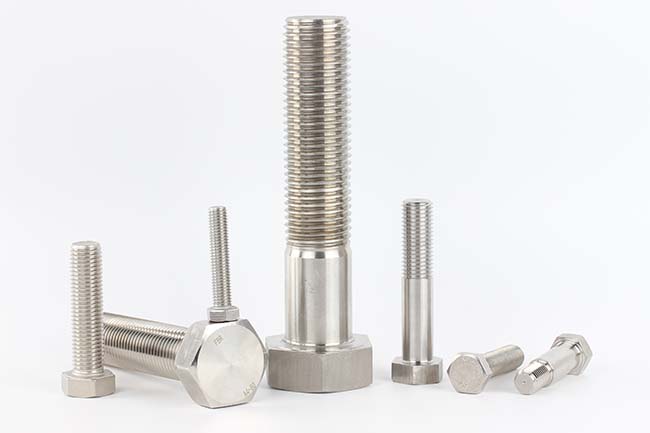
A2-70 stainless steel fasteners are commonly selected for general corrosion-resistant applications, while A4-80 fasteners are preferred when improved corrosion resistance and higher tensile strength are required, especially in chloride-containing or marine-related environments. Understanding the differences between these two grades helps buyers specify fasteners that match both technical requirements and project budgets.
What Are A2-70 Stainless Steel Fasteners?
A2-70 stainless steel fasteners are commonly associated with 304-type austenitic stainless steel materials. They provide good corrosion resistance, good formability, and reliable performance for many industrial applications.
The designation A2-70 contains two important parts:
- A2: Indicates the stainless steel group, commonly related to 304 stainless steel.
- 70: Indicates the minimum tensile strength class according to ISO 3506 requirements.
A2-70 fasteners are widely used in machinery, equipment assembly, construction components, electrical equipment, architectural applications, and general industrial environments where moderate corrosion resistance is required.
Common A2-70 products include stainless steel bolts, screws, nuts, washers, and threaded components. IIIBEAR provides various stainless steel bolts for industrial fastening applications where material selection and standard compliance are important.
What Are A4-80 Stainless Steel Fasteners?
A4-80 stainless steel fasteners are commonly associated with 316-type austenitic stainless steel materials. Compared with A2 stainless steel, A4 contains molybdenum, which improves resistance to localized corrosion, particularly in chloride-containing environments.
The designation A4-80 includes:
- A4: Indicates the stainless steel group commonly related to 316 stainless steel.
- 80: Indicates a higher tensile strength class compared with A2-70.
A4-80 fasteners are frequently specified for marine equipment, coastal structures, chemical processing equipment, water treatment systems, pumps, valves, and outdoor installations exposed to salt or aggressive moisture.
For applications requiring higher corrosion resistance and mechanical performance, buyers may consider stainless steel studs and threaded rods manufactured according to project requirements.
A2-70 vs A4-80 Stainless Steel Fasteners Comparison
| Factor | A2-70 Stainless Steel Fasteners | A4-80 Stainless Steel Fasteners |
|---|---|---|
| Material family | Usually based on 304-type stainless steel | Usually based on 316-type stainless steel |
| Stainless steel group | A2 | A4 |
| Strength class | 70 tensile strength class | 80 tensile strength class |
| Corrosion resistance | Good general corrosion resistance | Improved resistance to chloride and marine environments |
| Molybdenum content | Generally no molybdenum addition | Contains molybdenum for improved corrosion resistance |
| Typical applications | General industrial, indoor, protected outdoor applications | Marine, chemical, coastal, water treatment applications |
| Relative cost | Usually more economical | Usually higher material cost |
Mechanical Differences Between A2-70 and A4-80
One major difference between A2-70 and A4-80 is the specified mechanical property class. The number after the stainless steel group indicates the tensile strength level defined by ISO 3506.
A4-80 fasteners generally provide a higher tensile strength class than A2-70 fasteners. This can make A4-80 a suitable choice for applications requiring higher mechanical performance together with improved corrosion resistance.
However, fastener selection should not rely only on the grade marking. The complete specification should include fastener type, dimensions, thread requirements, installation conditions, and applicable standards.
Corrosion Resistance: A2-70 vs A4-80
The primary reason buyers choose A4-80 instead of A2-70 is usually corrosion resistance.
A2-70 stainless steel performs well in many environments, including indoor equipment, machinery, and general industrial applications. However, exposure to saltwater, coastal atmosphere, chloride chemicals, or repeated cleaning cycles may increase the risk of localized corrosion.
A4-80 stainless steel provides improved resistance because its 316-type alloy composition includes molybdenum. This helps improve resistance against pitting and crevice corrosion in many chloride-containing environments.
Even A4 stainless steel fasteners should not be considered suitable for every aggressive environment. Chemical concentration, temperature, exposure duration, joint design, and maintenance conditions must also be evaluated.
A2-70 vs A4-80 According to ISO 3506
ISO 3506 is an important international standard series for mechanical properties of corrosion-resistant stainless steel fasteners. It defines stainless steel groups and mechanical property requirements for fasteners such as bolts, screws, studs, and nuts.
When purchasing stainless steel fasteners, buyers should specify the applicable ISO 3506 requirement rather than ordering only by commercial descriptions such as “304 stainless” or “316 stainless.”
The marking A2-70 or A4-80 provides useful information, but the complete purchase specification should also include:
- Fastener standard and product type
- Diameter and length
- Thread system and pitch
- Head style and drive type
- Dimensional tolerance requirements
- Surface finish requirements
- Inspection and documentation requirements
Applications of A2-70 Stainless Steel Fasteners
A2-70 fasteners are suitable for many everyday industrial fastening requirements, including:
- General machinery assembly
- Equipment manufacturing
- Architectural components
- Electrical and enclosure applications
- Indoor production equipment
- Protected outdoor structures
For cost-sensitive projects where corrosion conditions are moderate, A2-70 often provides a practical balance between performance and procurement cost.
Applications of A4-80 Stainless Steel Fasteners
A4-80 fasteners are commonly selected for more demanding environments, including:
- Marine equipment and coastal installations
- Water treatment systems
- Chemical processing equipment
- Pumps and valve assemblies
- Outdoor structures exposed to salt
- Industrial equipment requiring enhanced corrosion resistance
For projects requiring special dimensions, materials, or application-specific designs, custom stainless steel fasteners can be specified according to drawings and technical requirements.
How to Choose Between A2-70 and A4-80 Fasteners
The correct choice depends on the actual operating environment and performance requirements.
| Application Condition | Recommended Consideration |
|---|---|
| Indoor equipment with limited corrosion exposure | A2-70 may be suitable |
| General industrial machinery | A2-70 is often a practical choice |
| Coastal or salt exposure | A4-80 should be considered |
| Marine and chloride environments | A4-80 is generally preferred |
| Higher mechanical requirements with corrosion resistance | A4-80 may provide advantages |
Procurement Checklist for A2-70 and A4-80 Fasteners
Before requesting a quotation, purchasing teams should clearly define the following information:
- Required stainless steel group: A2 or A4
- Property class: 70 or 80
- Fastener type: bolt, screw, nut, washer, stud, or custom part
- Applicable ISO, DIN, ASTM, or drawing specification
- Thread size and pitch
- Length and dimensional requirements
- Surface condition and finishing requirements
- Operating environment and corrosion conditions
- Quantity and packaging requirements
Clear specifications help suppliers provide accurate quotations and reduce the risk of selecting fasteners that do not match the final application.
Conclusion: Selecting the Right Stainless Steel Fastener Grade
The difference between A2-70 and A4-80 stainless steel fasteners mainly comes down to alloy group, corrosion resistance, and mechanical property class. A2-70 is a reliable choice for many general applications, while A4-80 provides additional advantages where chloride exposure and higher performance requirements are important.
Engineers and procurement teams should evaluate environmental conditions, applicable standards, mechanical requirements, and total service cost before making a final decision. IIIBEAR supplies stainless steel fasteners and customized fastening solutions for industrial applications requiring different materials, standards, sizes, and specifications.
Related products: Special Material Fasteners

